Fire Safety Products for Workplace: 5 Essentials Every Site Needs
The essential fire safety products for workplace use are fire extinguishers, a fire alarm with smoke detectors, a fire blanket, fire safety signs, and a hose reel or hydrant point where the building has one. Together they help people notice a fire early, deal with a small one, and leave safely if it grows. This guide explains each of the five, where it goes and how to keep it ready.
1. Fire extinguishers
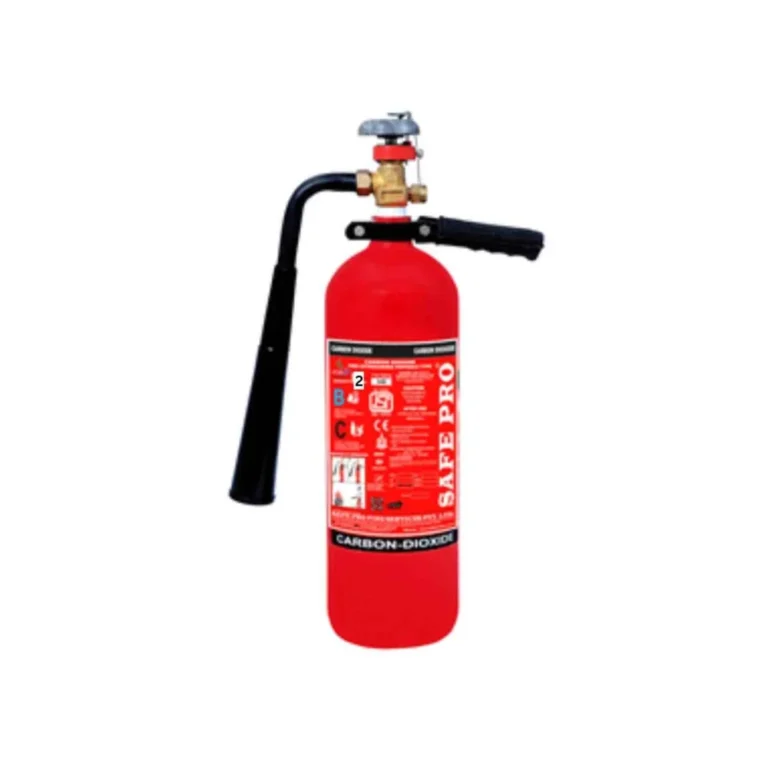
Portable extinguishers are the first line of response to a small fire. The type must match what can burn in the area. ABC dry powder suits most general areas such as office floors, stores and workshops. CO2 suits electrical panels and server rooms, where powder residue would cause damage. Kitchens and canteens need a wet chemical (K type) unit near the fryers, and fuel or paint stores often use foam.
Place units near exits and along escape routes, close to the risk they cover, on a wall bracket or stand at an easy height. Each one should be visible and never blocked by stock or furniture. You can compare all types in the fire extinguishers section, or start with the general-purpose ABC fire extinguisher range. For unattended electrical rooms, an automatic modular fire extinguisher above the risk adds cover when nobody is around.
2. Fire alarm and smoke detectors
A fire found early is far easier to control. Smoke detectors sense smoke before flames spread, and a fire alarm system brings together detectors, manual call points, sounders and a control panel so that everyone in the building is warned at once.
- Small offices, shops and site cabins: battery-powered standalone units such as the Impact standalone smoke detector give a local alarm without a full wired system.
- Medium buildings: a conventional fire alarm system divides the building into zones and shows which zone is in alarm.
- Large or multi-floor sites: an addressable fire alarm system shows the exact device in alarm, which saves time in a large building.
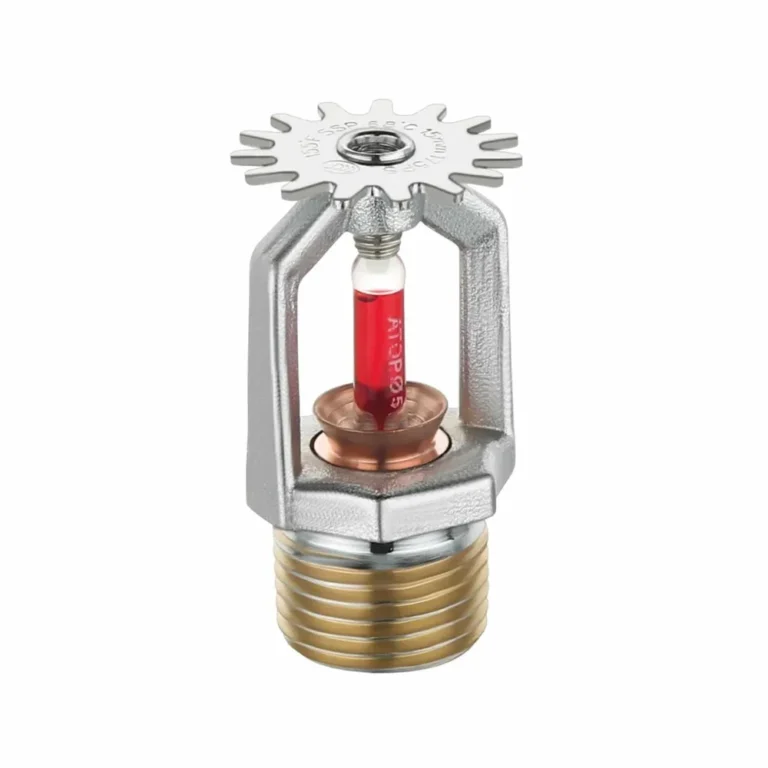
Detectors should suit the room. Smoke detectors work for most areas, while heat detectors are used in kitchens, boiler rooms and other places where steam or fumes would cause false alarms. See the smoke detectors range. For a wired system, the layout, cabling and panel set-up are usually done as part of fire alarm system installation.
3. Fire blanket
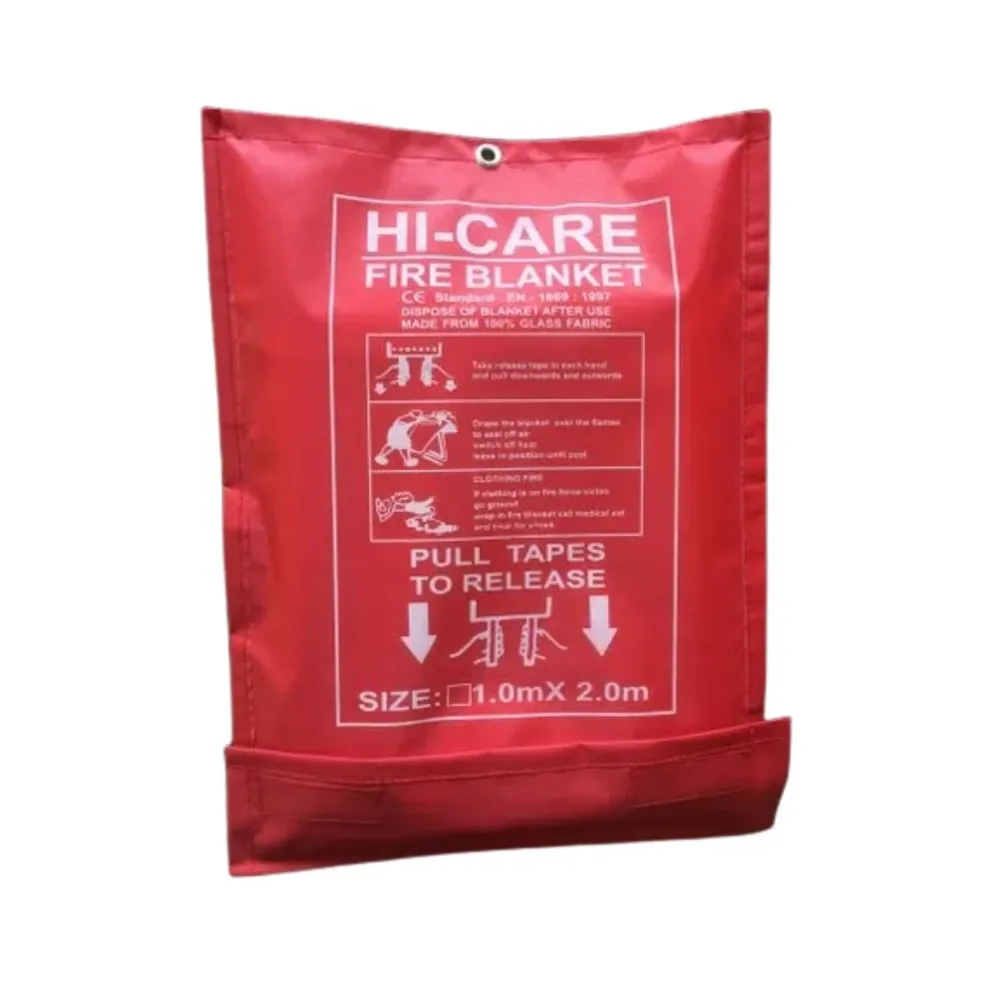
A fire blanket is a simple sheet of fire-resistant fabric, often in a quick-pull pouch on the wall. It is used to smother a small fire, such as a pan on a stove or a waste bin, and to wrap a person whose clothes have caught fire. It needs no refilling and anyone can use it after a short demonstration.
Keep fire blankets in pantries, canteens, kitchens, labs and workshops, mounted near the exit of the room so the user does not have to reach past the fire. The fire blanket section includes compact blankets such as the HICARE fire blanket and larger welding blankets for hot work areas.
4. Fire safety signs
Signs tell people where the equipment is, how to use it and how to get out. They matter most when the lights fail or smoke fills a corridor, and for visitors who do not know the building. A basic set covers:
- Fire exit and escape route signs along corridors and at stairs.
- Fire extinguisher, hose reel and call point location signs above or beside the equipment.
- Instruction signs next to extinguishers, such as a how to use fire extinguisher sign board.
- Assembly point signs outside the building.
Signs should be at eye level or above the equipment, readable from a distance and kept clean. Photoluminescent signs stay visible for a while in the dark. See the safety signages section.
5. Hose reel or hydrant point
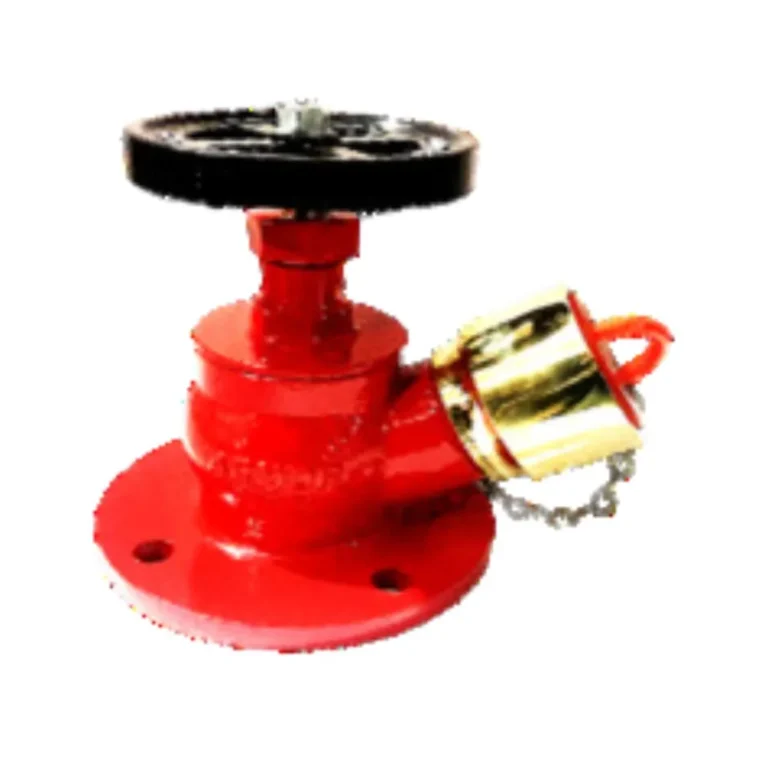
Where a building has a water-based fire fighting system, a hose reel gives a steady supply of water for class A fires that are too big for an extinguisher but still at an early stage. A hose reel is a drum with 20 or 25 mm rubber or thermoplastic hose and a shut-off nozzle, usually fixed on a wall near a staircase. Larger sites also have hydrant landing valves with 63 mm hoses, which are mainly used by trained teams and the fire brigade.
Hose reels are only useful if the pipework, pump and water tank behind them are working. They must never be used on electrical or oil fires. You can see the drums in the hose reel section, and a full hydrant network is normally planned as part of fire hydrant system installation.
A quick checklist of fire safety products for workplace types
The mix depends on the size of the site and what can burn there. The table below is a common starting point; local fire rules and your fire NOC set the minimum requirements, so confirm the final list with your fire officer or consultant.
| Workplace | Extinguishers | Alarm and detection | Fire blanket | Signs | Hose reel or hydrant |
|---|---|---|---|---|---|
| Small office or shop | ABC, plus CO2 near the main panel | Standalone smoke detectors | In the pantry | Exit and equipment signs | If the building has one |
| Large office or IT floor | ABC on floors, CO2 or clean agent in server rooms | Conventional or addressable system | In pantries | Full set, including assembly point | Usually on each floor |
| Factory or workshop | ABC, foam near fuel and paint, trolley units in large bays | Conventional or addressable, heat detectors where needed | Near hot work and canteen | Full set | Usually required |
| Warehouse | ABC or water, trolley units | Smoke or beam detectors | In the office area | Full set, marked aisles | Usually required |
| Restaurant or canteen | K type near fryers, ABC elsewhere | Smoke detectors in dining, heat in kitchen | Beside the cooking line | Exit and equipment signs | If the building has one |
Keeping it all ready
Equipment helps only if it works and people know how to use it. Walk round once a month to check that extinguishers are charged and in place, that detectors are not covered or painted over, that blankets and signs are where they should be, and that hose reels are not blocked. Press the test button on standalone detectors as the maker advises, and replace batteries on time. Keep a simple register of each item and its service dates.
People matter as much as products. Fire safety training shows staff how to choose and use an extinguisher, fire warden training prepares the people who lead an evacuation, and a fire mock drill checks that everyone knows the escape route and assembly point.
Next step
To plan these five essentials for your site, make a short list of the floors, the main risks in each area and the number of people. You can then send it to Drown Fire on WhatsApp or by email, and the team will reply with suitable options and a quote on a GST invoice, with delivery across India.