


Types of hydrant pipe fittings
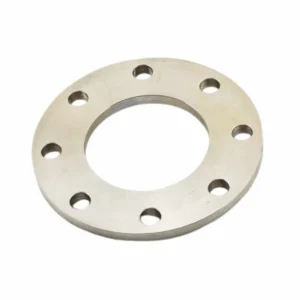
- Mild steel flange, Table E: 25 mm to 300 mm, to join pipes, valves, pumps and fittings with bolts.
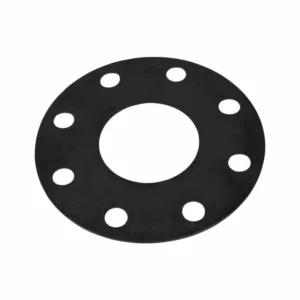
- Flange rubber gasket: 25 mm to 300 mm, sits between two flanges to seal the joint.
- GI nut bolt: 16 mm bolts from 50 mm to 150 mm long for flanged joints.
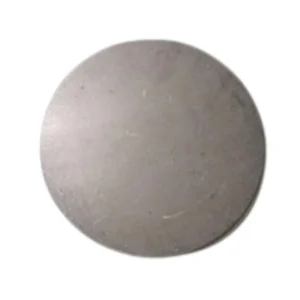
- MS dummy plate (blind flange): 50 mm to 200 mm, to close a pipe end or a branch kept for later.
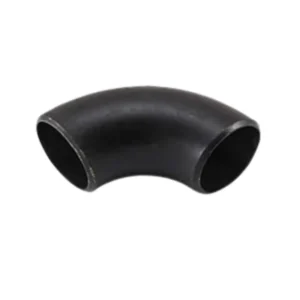
- MS buttweld elbow, C class heavy: 25 mm to 200 mm, welded in to turn the pipe.
- MS buttweld reducer: concentric from 32 x 25 mm to 200 x 150 mm and eccentric from 150 x 50 mm to 200 x 125 mm, to join two pipe sizes.
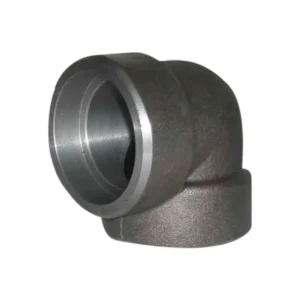
- Socketweld fittings: elbow, tee and coupling from 15 mm to 50 mm for small bore welded pipe.
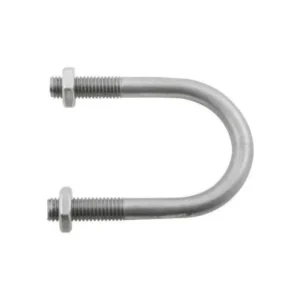
- Pipe supports: U bolts and chilly supports from 25 mm to 200 mm, and brackets from 80 mm to 150 mm.
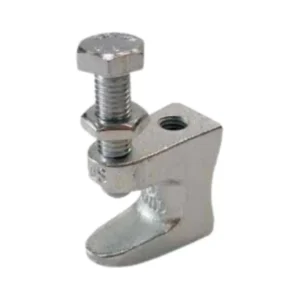
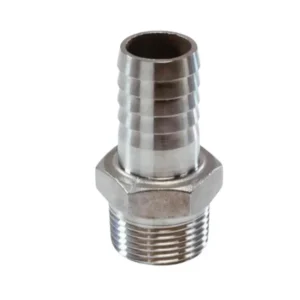
- Hose nipple and G clamp: 20 mm and 25 mm nipples connect a flexible hose to a threaded end; 10 mm and 12 mm G clamps hold it tight.
How to choose pipe fittings
- Size: order fittings by the pipe nominal size (for example 80 mm or 100 mm). For a reducer, give both sizes.
- Joint type: buttweld fittings for larger welded mains, socketweld for small bore lines up to 50 mm, and flanges where valves and pumps must be removed later.
- Concentric or eccentric reducer: concentric keeps the centre line; eccentric keeps one side flat, often used on pump suction lines.
- Complete the joint: each flanged joint needs two flanges, one gasket and a set of nut bolts.
These fittings go with MS and GI pipes. For pump-side items such as rubber bellows and pump flanges by PCD, see fire pump accessories.
Hydrant pipe fittings price in India
Prices are per piece and depend on the fitting, the size and the quantity. Each product on this page shows a starting price as a guide, before GST. The final price comes with your quote and depends on the options and quantity; small parts may have a minimum order quantity. For full pipeline lists, ask for bulk pricing.
Buy hydrant pipe fittings from Drown Fire
Drown Fire supplies these fittings from its Accessories range, along with fire hydrant spare parts. Every order comes with a GST invoice, and we deliver across India.