ABC vs CO2 Fire Extinguisher: Which One Should You Use?
In the ABC vs CO2 fire extinguisher question, the short answer is this: ABC dry powder is the general-purpose choice for most areas, while CO2 is the choice where electrical equipment or clean-up matters. ABC covers class A, B and C fires but leaves a powder residue. CO2 leaves no residue and suits electrical and flammable liquid fires, but it is weak on burning solids such as paper and wood.
How an ABC extinguisher works
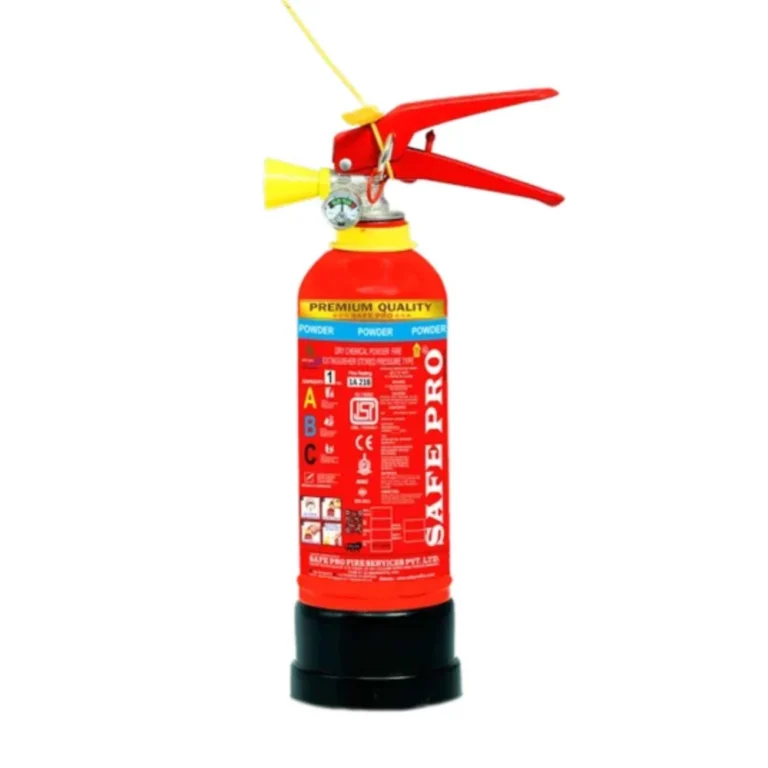
An ABC extinguisher discharges a fine dry powder, usually based on mono ammonium phosphate (MAP). The powder interrupts the chemical reaction of the fire. On burning solids it also melts and forms a thin crust over the surface, which helps stop the fire from starting again. This is why ABC powder can deal with class A solids as well as class B liquids and class C gases.
Most portable ABC units are stored pressure type, with a pressure gauge on top that shows whether the unit is charged. Cartridge type units are also available. The powder grade, such as MAP 90 or MAP 50, affects how much fire-fighting power the unit has for its weight. You can compare models in the ABC fire extinguishers range.
How a CO2 extinguisher works
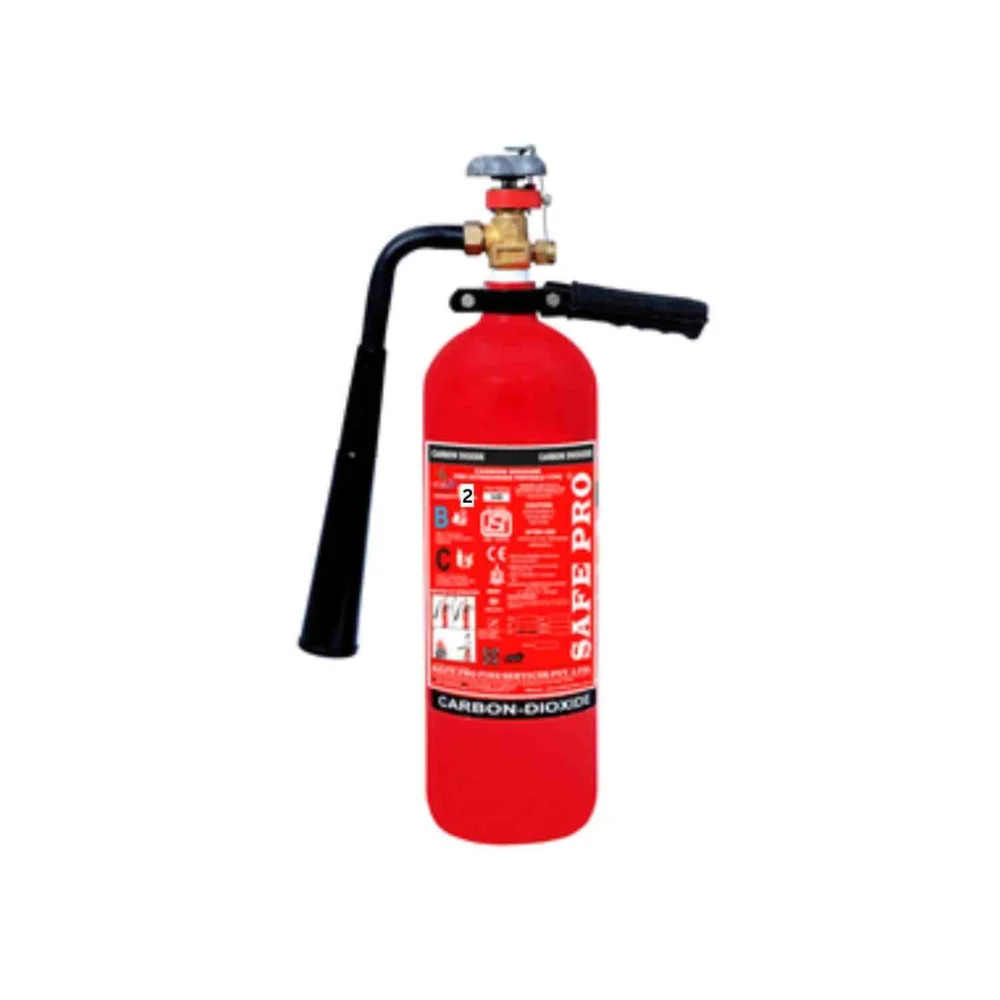
A CO2 extinguisher holds liquefied carbon dioxide at high pressure in a seamless cylinder. When discharged, it comes out through a horn as a very cold gas and snow. The gas pushes away the oxygen around the fire and smothers it. Because CO2 is a gas, it does not conduct electricity and leaves nothing behind once it disperses.
The weakness is that CO2 does little cooling and does not stay on the fuel. On a burning heap of paper or wood the fire can start again once the gas drifts away. CO2 units also have a shorter reach than powder units, so the user must get reasonably close. See the CO2 fire extinguishers range.
ABC vs CO2 fire extinguisher: side-by-side
| Point | ABC dry powder | CO2 |
|---|---|---|
| Fire classes | A, B and C | B, and electrical equipment |
| Burning solids (paper, wood, cloth) | Works well | Weak, fire may restart |
| Live electrical equipment | Many models can be used as per the label, but residue harms electronics | Suitable, non-conductive and no residue |
| Residue after use | Fine powder that needs cleaning and can corrode metal parts | None |
| Visibility during use | Powder cloud reduces visibility in small rooms | Gas cloud, less effect on visibility |
| Weight for the same agent | Lighter | Heavier, because of the high-pressure cylinder |
| Charge check | Pressure gauge on stored pressure units | Checked by weighing, as most units have no gauge |
| Cost | Generally lower | Generally higher |
| Common places | Offices, shops, warehouses, factories, vehicles | Electrical panels, server rooms, labs, DG rooms |
Where an ABC extinguisher fits
ABC powder is the default for general areas because one unit covers the widest mix of fires found in a typical building. Good places include:
- Office floors, corridors, staircases and receptions.
- Warehouses, carton stores and dispatch areas.
- Factory floors with mixed solid and liquid fire risks.
- Gas banks and LPG areas, used after the gas supply is shut.
- Vehicles, small shops and site offices, in smaller sizes.
The trade-off is the clean-up. In a room full of computers or machinery, the powder can settle inside equipment and cause damage after the fire is out. For larger open areas, wheeled ABC units in the trolley type extinguishers range give a longer discharge.
Where a CO2 extinguisher fits
CO2 is chosen where the equipment is worth protecting from residue, or where the main risk is electrical or a flammable liquid. Typical places include:
- Electrical panels, MCC rooms and switch rooms.
- Server rooms, UPS and battery rooms, control rooms.
- Laboratories and instrument rooms.
- DG set rooms and small fuel or oil areas.
Two safety points matter with CO2. First, the horn gets very cold during discharge, so hold the unit by its handle, not the horn. Second, in a small closed room the gas lowers the oxygen level, so people should leave and ventilate the room after use. Where a high-value room needs protection without residue, clean agent extinguishers are another option to consider.
Using both at the same site
Most buildings do not have to choose one over the other. A common pattern is ABC units along corridors and in general areas, with a CO2 unit placed near each electrical panel or inside each server room. This gives the widest cover for ordinary fires while protecting equipment from powder damage.
For electrical rooms and panels that are often unattended, automatic modular fire extinguishers can be added above the risk. They discharge on their own when the heat rises, and portable CO2 units stay nearby for anyone who spots a fire early. Local fire rules and your fire NOC set the minimum requirements, so confirm the mix with your fire officer or consultant.
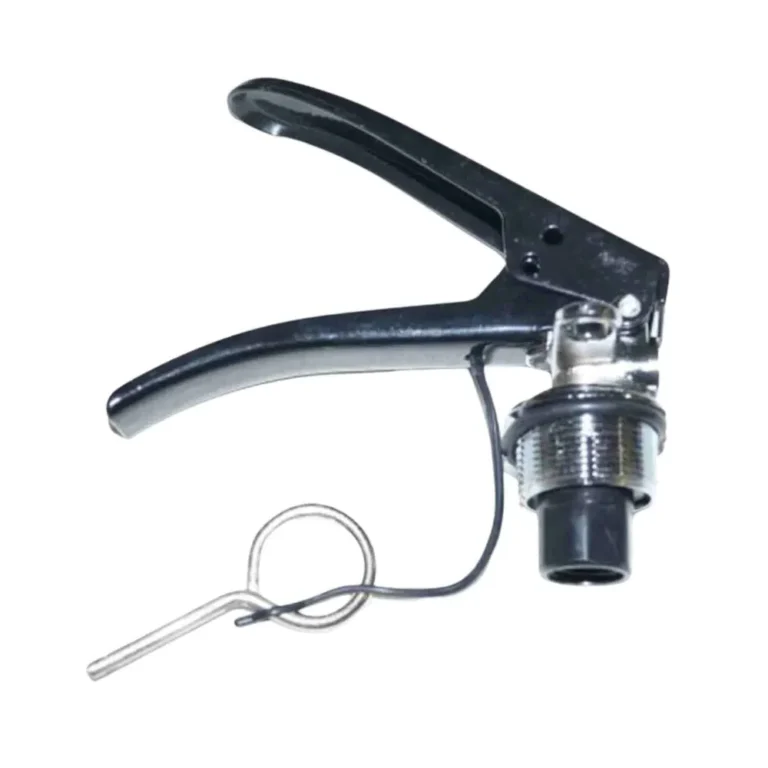
Whichever type is on the wall, the basic way of using it is the same, and it is worth practising before a real fire. Pull the safety pin, aim the hose or horn at the base of the fire rather than the flames, squeeze the lever, and sweep from side to side until the fire is out. Keep a clear exit behind you, and stand back once the fire is out in case it flares up again. If the fire is growing, or the extinguisher empties before it is out, leave the area, raise the alarm and call the fire brigade. Mark every discharged unit so that it goes for refilling, and put a charged unit in its place.
Cost and upkeep
For the same size, a CO2 unit usually costs more than an ABC unit. Here are live starting prices for two common products:
These prices are a guide before GST; the final price depends on size and quantity and comes with your quote. Upkeep also differs. ABC stored pressure units are checked by reading the gauge, and the powder may cake over time if the unit is not handled. CO2 units are checked by weight, since a slow leak does not show on the outside. Both need refilling after any use, even a short burst, and periodic servicing as the maker recommends. Spares for both are in fire extinguisher spare parts.
Next step
If you are planning extinguishers for an office, plant or data room, list the areas and what can burn in each. You can then compare options in the fire extinguishers section, and send your list to Drown Fire on WhatsApp or by email for a quote. Staff who may need to use these units can learn the basics in fire safety training.