Conventional vs Addressable Fire Alarm System: Differences, Uses and Cost
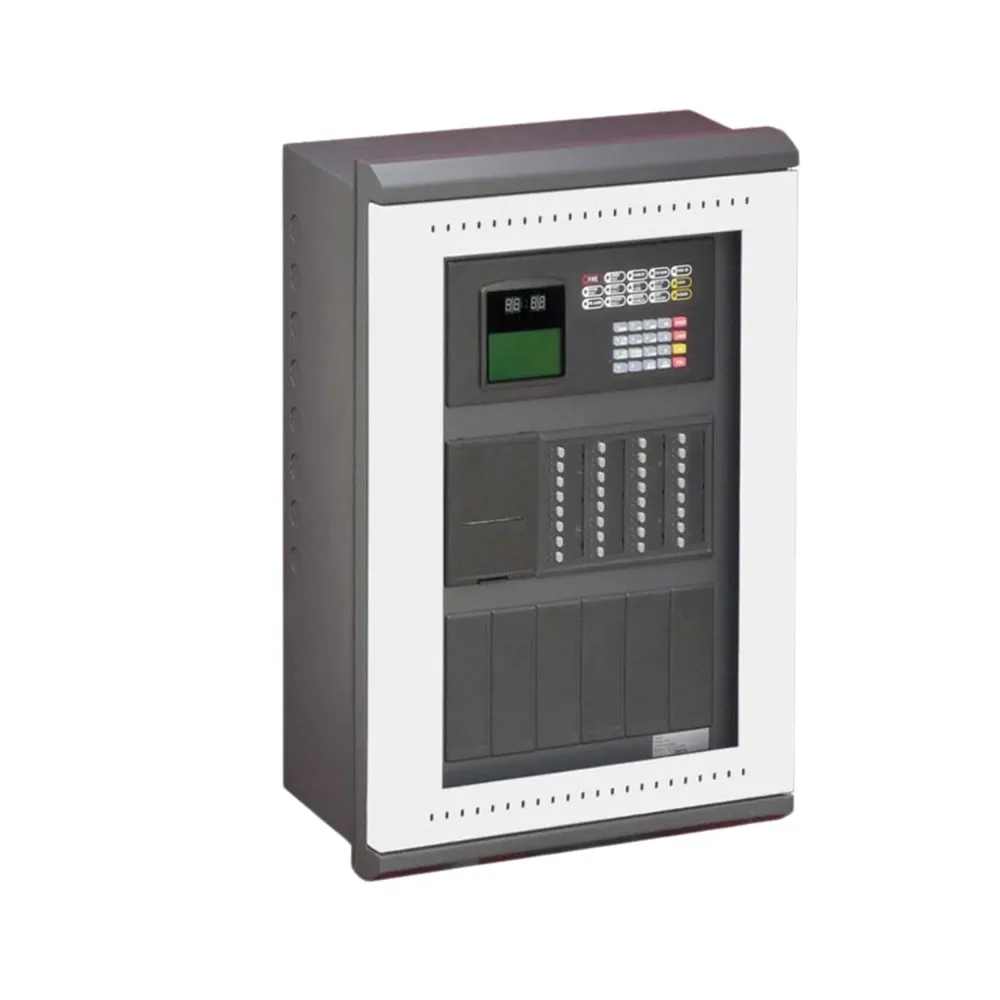
The short answer to conventional vs addressable fire alarm system is this: a conventional system tells you which zone a fire is in, while an addressable system tells you exactly which detector or call point raised the alarm. Conventional systems cost less and suit small, simple buildings; addressable systems cost more up front but save time in an emergency and in maintenance on larger or more complex sites. This guide explains how each one works, where each fits and what to ask before you choose.
How a conventional fire alarm system works
In a conventional system, the building is divided into zones, for example one zone per floor or per section of a factory. Each zone has its own pair of wires running from the control panel, and all the smoke detectors, heat detectors and manual call points in that zone are connected on that circuit. When any device in the zone goes into alarm, the panel lights up that zone and sounds the hooters.
The panel does not know which device triggered. Staff have to go to the zone and look for the detector with its red indicator lit. In a small office or a single shop floor this is quick. In a large building with long corridors, false ceilings or many rooms per zone, it can take several minutes. Conventional panels are usually sold by zone count, for example 2, 4, 8 or 16 zones. See typical conventional fire alarm systems.
A variant is the two-wire or bi-wire system, where detectors, call points and sounders share one pair of wires per zone. It reduces cabling but still reports by zone only.
How an addressable fire alarm system works
In an addressable system, every detector, call point and module has its own address, set by a switch or programmed at the panel. Devices are wired on one or more loops that start and end at the panel. The panel talks to each device in turn and knows its status at all times. When a detector senses smoke, the panel shows its address and a text label such as “Store room, Ground floor, Detector 14”.
Because the wiring is a loop, a single cable break does not take devices offline: the panel can reach them from the other end. Isolator modules split the loop into sections so a short circuit affects only a small part. Most addressable panels also report faults, dirty detectors and removed devices, which makes routine maintenance easier. Panels are sold by loop count, typically 1, 2, 4 or more loops, each holding a large number of devices as the maker specifies. Browse addressable fire alarm systems.
Conventional vs addressable fire alarm system: side-by-side comparison
| Point | Conventional | Addressable |
|---|---|---|
| Fire location shown | Zone only | Exact device and its label |
| Wiring | One radial circuit per zone | One loop serves many devices |
| Effect of a cable break | Devices after the break are lost | Loop is fed from both ends |
| Fault reporting | Zone fault only | Device-level fault and contamination warnings |
| Upfront cost | Lower panel and device cost | Higher panel and device cost |
| Cable cost on big sites | Higher, many zone cables | Lower, fewer loop cables |
| Programming | Very little | Needs set-up of addresses, labels and cause-and-effect |
| Integration | Basic relay outputs | Modules for lifts, AHU shutdown, access doors, gas release and networking |
| Typical use | Small offices, shops, small workshops | Hospitals, hotels, malls, factories, multi-storey buildings |
Devices used in each system
Both systems use the same families of field devices, but they are not interchangeable: an addressable panel needs addressable devices, and a conventional panel needs conventional ones. Within addressable systems, devices normally need to come from the same maker as the panel, because each maker uses its own communication protocol.
- Smoke detectors for most rooms, corridors and offices. See smoke detectors.
- Heat detectors where smoke or steam is normal, such as kitchens, boiler rooms and some process areas. See heat detectors.
- Beam detectors for high ceilings in warehouses and sheds.
- Manual call points at exits and staircases so people can raise the alarm by hand.
- Sounders and strobes to warn occupants, including people who cannot hear the alarm.
- Input and output modules (addressable only) to monitor sprinkler flow switches or to control fans, lifts and door holders.
- Repeater panels to show alarms at the security cabin or reception.
Detector type and spacing depend on ceiling height, room use and airflow; your designer and fire officer set these for the site.
Which one should you choose
Use these practical questions as a starting point:
- How big is the building? A single floor with a few rooms is usually well served by a conventional panel. Many floors, many rooms or a large campus point towards addressable.
- How quickly must staff find the fire? Hospitals, hotels and buildings with sleeping occupants benefit from exact location, because every minute matters during evacuation.
- Will you link other systems? If the alarm must shut air handling units, ground lifts, release doors or start gas suppression, addressable modules make this simpler.
- Who will maintain it? Addressable systems need a trained technician for programming and changes. Conventional systems are simpler to look after.
- Will the site expand? An addressable loop can usually take more devices later; a conventional panel may need a larger panel or extra zones.
A wireless or hybrid system is a third option for heritage buildings or running sites where new cabling is difficult; see wireless fire alarm systems. Whatever you choose, local fire rules and your fire NOC set the minimum requirements, so check with your fire officer or consultant.
Cost: what really drives the difference
Comparing panel prices alone can mislead. On a small site, the conventional panel and devices are clearly cheaper, and the cabling is short. On a large site, the addressable panel costs more, but fewer cable runs, faster fault finding and lower call-out time often narrow the gap over the life of the system. Labour for installation, programming and commissioning also adds to the addressable side.
As a guide to panels on our catalogue:
- Conventional fire alarm panel by Eaton: from ₹13,874.00
- Conventional fire alarm panel by Ravel: from ₹8,000.00
- Addressable fire alarm panel by GST: from ₹43,058.00
- Compact addressable panel by Morley: from ₹80,000.00
These prices are a guide before GST. The final price, based on your device count, cable and site work, comes with the quote.
Next steps for your fire alarm project
Start with the floor plans and a list of rooms, then decide the system type with your consultant. If you would like one team to handle design support, supply, installation and handover, see our fire alarm system installation service. For panels, detectors and spares, browse the fire alarm fittings range and send your list on WhatsApp or by email. Every order comes with a GST invoice and delivery across India.