Fire Extinguisher Refilling and Servicing: A Practical Guide
Fire extinguisher refilling is needed after any use, even a short burst, and whenever a monthly check shows that a unit has lost pressure or weight. Beyond that, each unit should be serviced and refilled at the intervals the maker recommends and your local rules require. This guide covers the routine checks, what a refill involves and when it makes more sense to replace a unit.
When fire extinguisher refilling is needed
An extinguisher that is not fully charged may run out in the first few seconds of a fire. Refill or service a unit in any of these cases:
- After any discharge. A partly used unit loses pressure over the following days, even if the gauge still looks fine at first.
- Low pressure. The gauge needle on a stored pressure unit has moved out of the green band.
- Loss of weight. A CO2 or cartridge unit weighs less than the figure marked on it, beyond the limit the maker gives.
- Broken seal or missing pin. Someone may have used or tampered with it.
- Due date reached. The service or refill date on the tag has passed.
- Visible damage. Dents, rust, a cracked hose or a damaged valve need attention before the unit goes back on the wall.
Water, foam and wet chemical agents can also lose strength over time, and powder can settle and cake. That is why makers set a refill interval even for units that have never been used.
Monthly checks anyone can do
A quick visual check once a month catches most problems early. It takes a minute per unit and can be done by a trained staff member or the facility team. The checklist below is a common starting point.
| Check | What to look for | Action if not right |
|---|---|---|
| Location | Unit is in its marked place, visible and not blocked | Clear the area or move the unit back |
| Sign | Location sign and usage sign are in place and readable | Replace the sign |
| Pin and seal | Safety pin in place, tamper seal unbroken | Send for service |
| Gauge | Needle in the green band (stored pressure units) | Send for refill |
| Body | No dents, rust, leaks or peeling paint | Send for inspection |
| Hose and horn | No cracks, blockage or loose fitting | Replace the hose or horn |
| Label | Operating instructions and classes readable | Replace the label |
| Service tag | Last service date and next due date filled in | Book the service |
Many sites keep a printed how to use fire extinguisher sign board next to each unit, which also helps during the monthly round. Units should sit firmly on a wall bracket or floor stand so they do not fall or get kicked.
How to read the pressure gauge
Stored pressure ABC, water and foam units have a small gauge with three colour bands. The green band is the normal working range. If the needle is in the red band on the low side, the unit has lost pressure and will not discharge properly. If it sits in the band on the high side, the unit may be overcharged, often from heat or a wrong refill, and should be checked.
A gauge only shows the pressure, not the amount of agent. A unit can show green while the powder inside has caked. For this reason, servicing includes more than a gauge reading. CO2 units and most cartridge units have no gauge at all; their charge is checked by weighing the cylinder or the cartridge.
What happens at a refill or service
Refilling should be done by a competent service agency with the right equipment, using the agent and parts the maker specifies. A typical service follows these steps:
- The unit is depressurised safely and emptied.
- The cylinder is checked inside and out for rust, dents and thread damage.
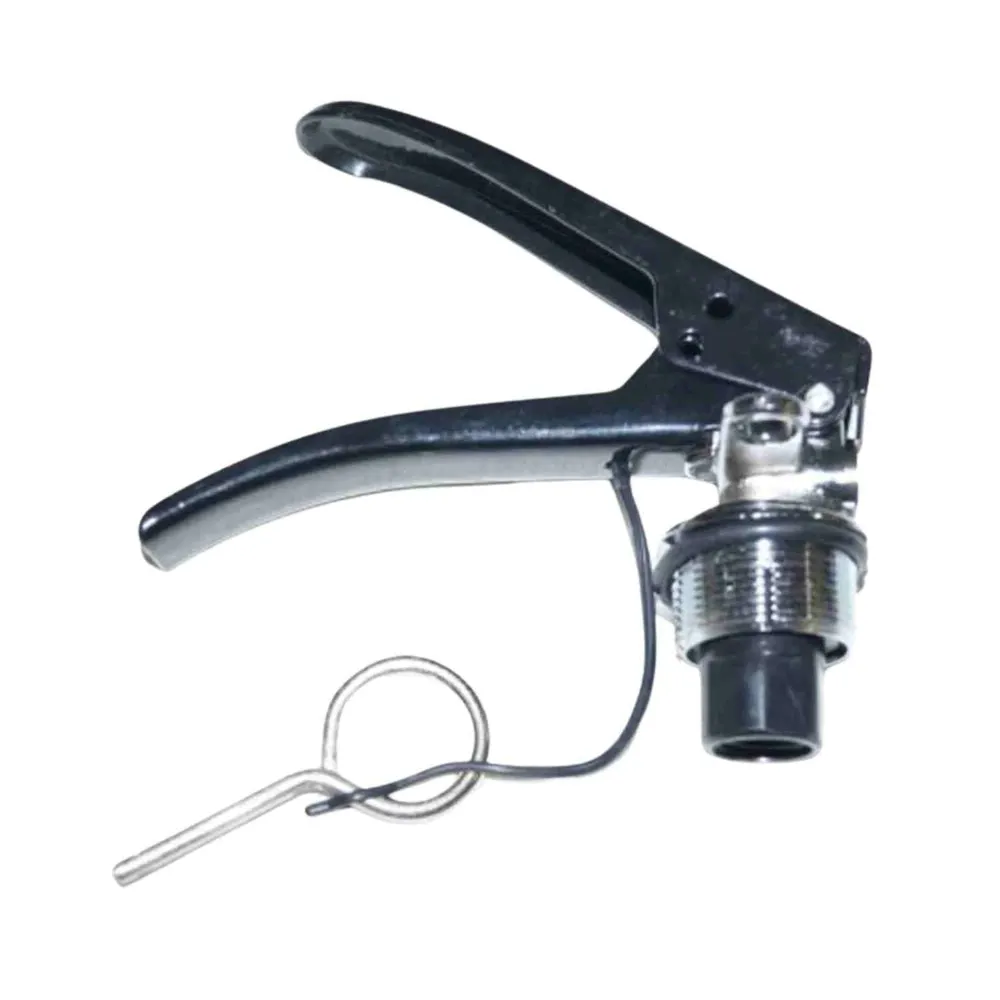
- The valve, washers, O-rings, hose, nozzle and gauge are cleaned and worn parts replaced.
- Fresh agent of the same type and grade is filled to the correct weight or volume.
- Stored pressure units are pressurised with dry nitrogen or air as the maker specifies; CO2 units are filled and weighed.
- The unit is checked for leaks, a new pin and seal are fitted, and the service tag is updated.
At longer intervals set by the maker and local rules, the cylinder body itself also goes through a hydraulic pressure check. Units that fail this check are taken out of use.
Common spares are worth keeping in stock on larger sites. You can find ABC fire extinguisher spare parts, CO2 fire extinguisher spare parts and water and foam extinguisher hoses in the spare parts section.
Refilling needs by type
- ABC and BC powder: refill after use or at the maker’s interval. Use the same powder grade, for example MAP 90 if that was the original fill, and never mix different powders.
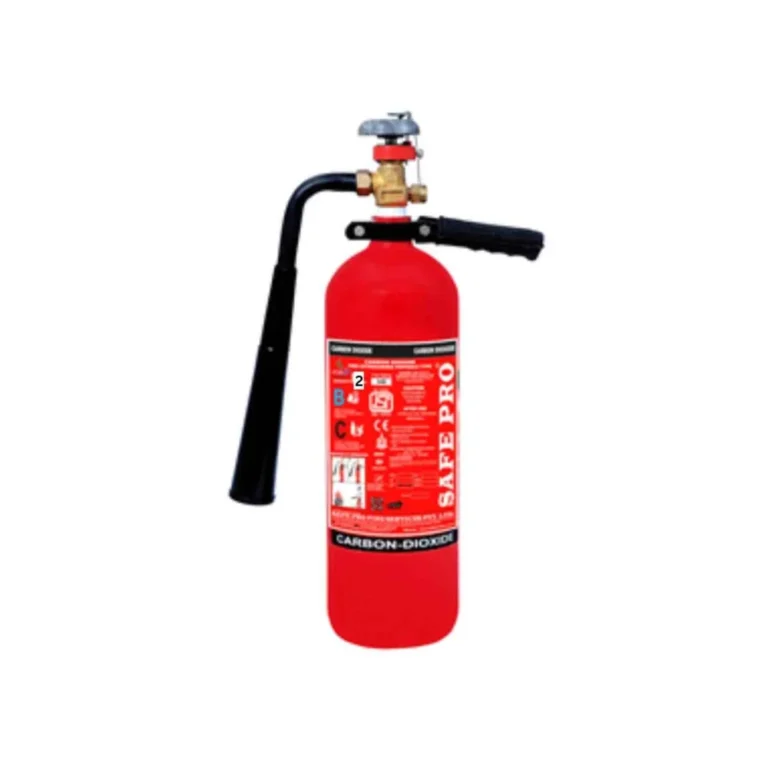
- CO2: refill if the weight drops beyond the maker’s limit or after use. Check the horn and hose, as they crack with age.
- Water and foam: the agent can degrade, so refill at the maker’s interval even without use.
- Clean agent and wet chemical: refill only with the exact agent the maker names, as these agents are not interchangeable.
- Automatic modular units: check the gauge and the heat bulb; replace the unit or bulb if the bulb is damaged or has burst.
When to replace instead of refill
Refilling is not always the right answer. Replace a unit when the body is badly rusted or dented, when the cylinder fails its pressure check, when spares for that model are no longer available, or when the unit has reached the end of the service life the maker gives. Replacement is also sensible when the risk in an area has changed, for example when a store room becomes a server room and needs CO2 instead of powder.
When you replace, check that the new unit covers the right fire classes for the area. The fire extinguishers section lists the types, and the ABC fire extinguisher range covers the most common general-area units.
Keeping records
A simple register makes upkeep easy to track and is useful when your fire officer visits. For each unit, note its number, location, type, size, date of purchase, last service date, next due date and any action taken. Keep the tag on the unit in step with the register. Local fire rules and your fire NOC set the minimum requirements for checks and records, so confirm them with your fire officer or consultant.
Next step
If your units are due for replacement or you need spare parts, you can send the list of types, sizes and quantities to Drown Fire on WhatsApp or by email for a quote. A fire safety audit can review the condition and placement of all units at your site, and fire safety training helps staff carry out the monthly checks.