Fire Safety Checklist for Factories: Equipment, Alarms, Exits, Training and Audit
A practical fire safety checklist for factories covers seven areas: fire fighting equipment, fire alarms, exits and escape routes, housekeeping and storage, electrical and hot work, training and drills, and a periodic audit. Walking through these points every month, and recording what you find, catches most problems before they turn into a fire. Use the checklist table in this guide as a starting point and adapt it to your plant, processes and fire NOC conditions.
Why factories need a written fire checklist
Factories bring together the things fires need: fuel in the form of raw material, packaging, oils and solvents; heat from machines, furnaces, welding and electrical panels; and large open floors where fire and smoke spread quickly. Night shifts, contract workers and frequent layout changes make it easy for small lapses to build up, such as a blocked exit, an empty extinguisher or a hose box used as a store.
A written checklist turns fire safety into a routine. It gives the safety officer, maintenance team and supervisors one shared list, shows what was checked and when, and gives management a clear record of open points. Local fire rules and your fire NOC set the minimum requirements for your site, so check with your fire officer or consultant and add their conditions to your list.
Fire safety checklist for factories: the master table
The table below is a general checklist. Frequencies are common practice and can be tightened for high-risk areas.
| Area | What to check | How often |
|---|---|---|
| Extinguishers | In place, visible, pressure gauge in the green, seal and pin intact, no damage, refill date marked | Monthly |
| Hydrant and hose reels | Hose box clear and unlocked, hose and branch pipe present, no leaks, valves shut and caps on | Monthly |
| Pump room | Pumps on auto, line pressure normal, diesel tank full, battery charged, room clean | Weekly |
| Fire alarm panel | Panel on normal, no faults or disabled zones, log book updated | Daily |
| Detectors and call points | Not covered, painted or damaged; call points reachable | Monthly |
| Exits and escape routes | Doors open easily, routes clear, exit signs and emergency lights working | Daily walk, monthly record |
| Assembly point | Signed, clear of parked vehicles and stock | Monthly |
| Housekeeping | Scrap, waste, oily rags and dust removed; aisles marked and clear | Every shift |
| Flammable storage | Solvents in safety cans or cabinets, quantities kept low, labels in place | Weekly |
| Electrical | Panels closed and clear, no loose wiring or overloaded sockets, thermography as planned | Monthly |
| Hot work | Permit issued, area cleared, fire watch and extinguisher present | Every job |
| Training | New joiners inducted, fire wardens named for each shift and area | On joining, refresher yearly |
| Mock drill | Evacuation timed, head count done, gaps recorded and closed | At least twice a year or as your fire officer advises |
| Fire safety audit | Independent review of systems, records and practices | Yearly or after major changes |
Fire fighting equipment
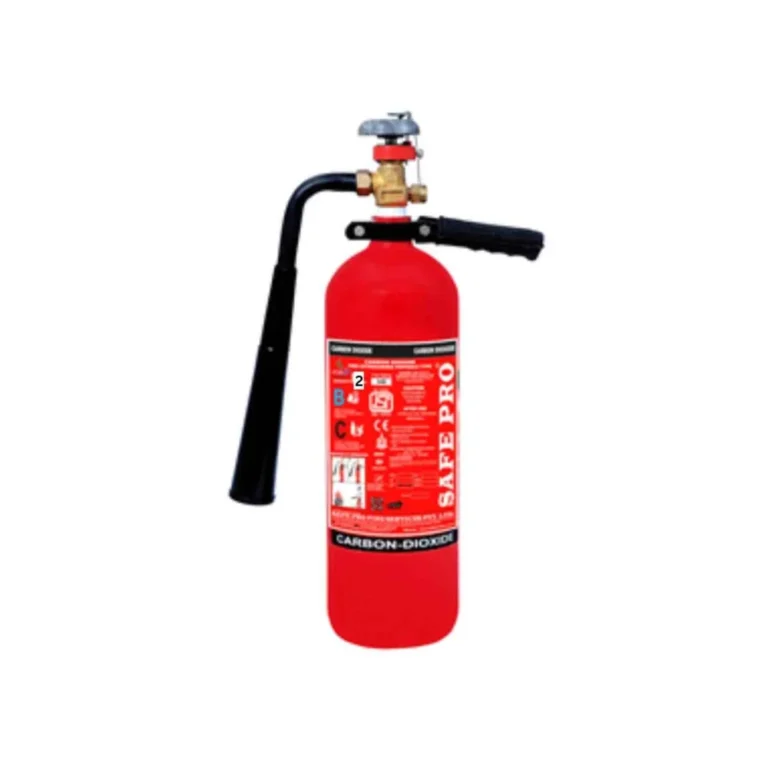
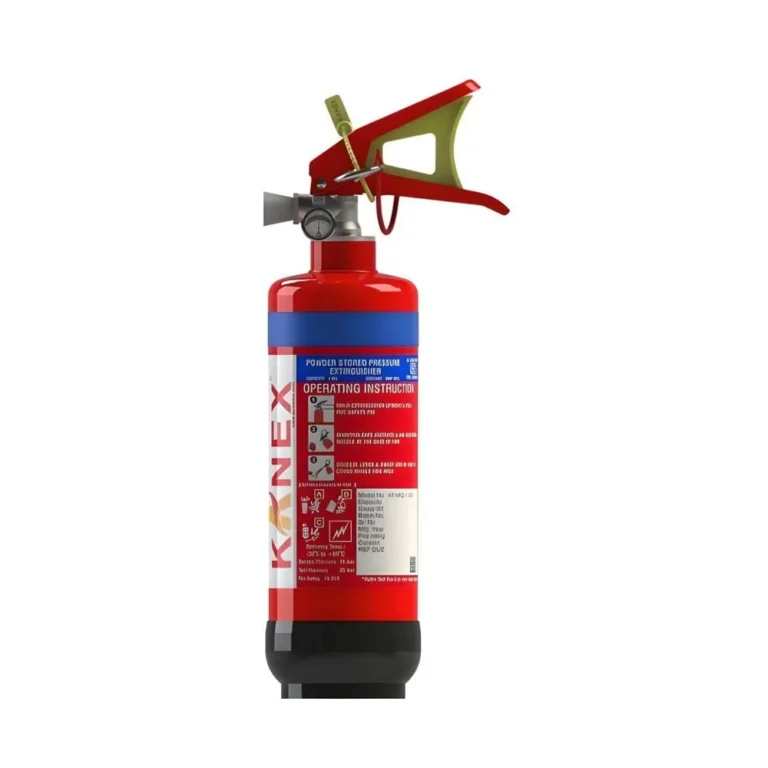
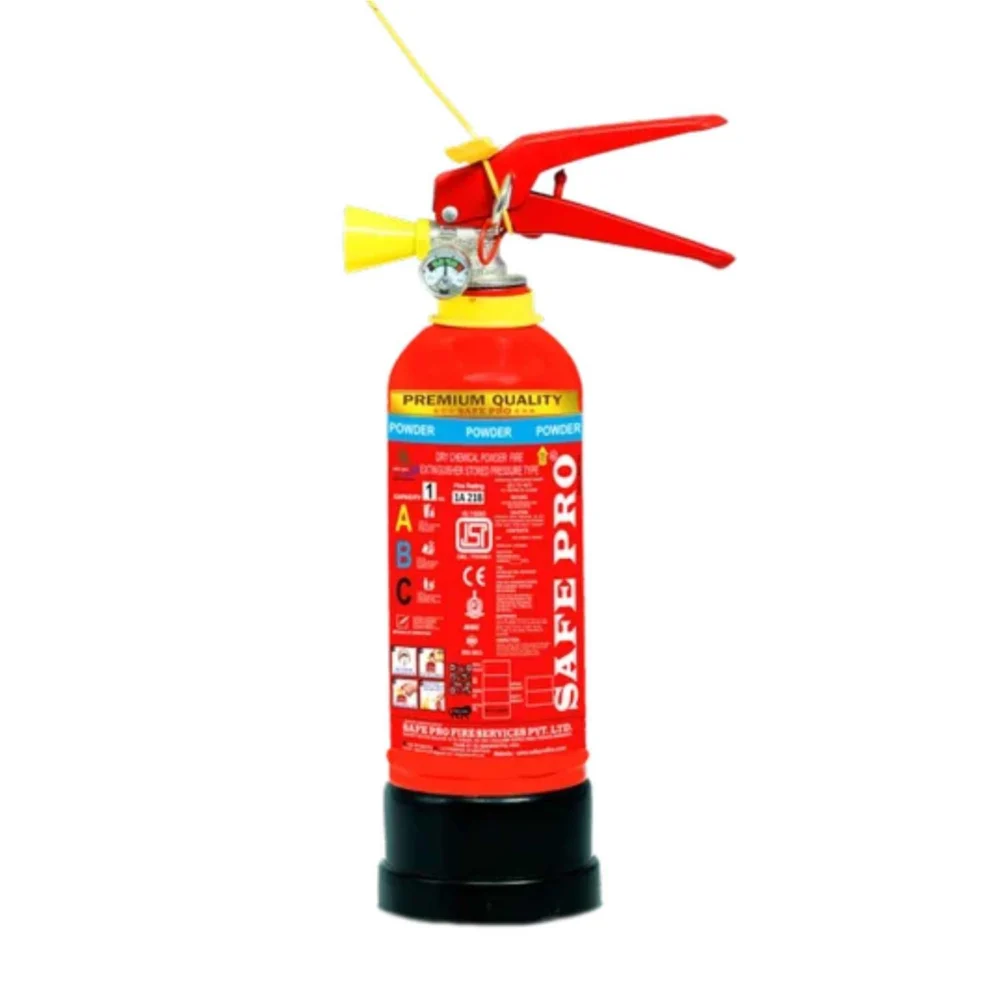
Start with the right extinguisher for each risk. ABC dry powder suits most general areas, CO2 suits electrical panels and server rooms, foam suits flammable liquid areas, and wet chemical (K type) suits commercial kitchens and fryers. Place extinguishers near exits and close to the hazard, mounted so the handle is at a comfortable height, with a sign above each one. Compare types in the fire extinguishers range.
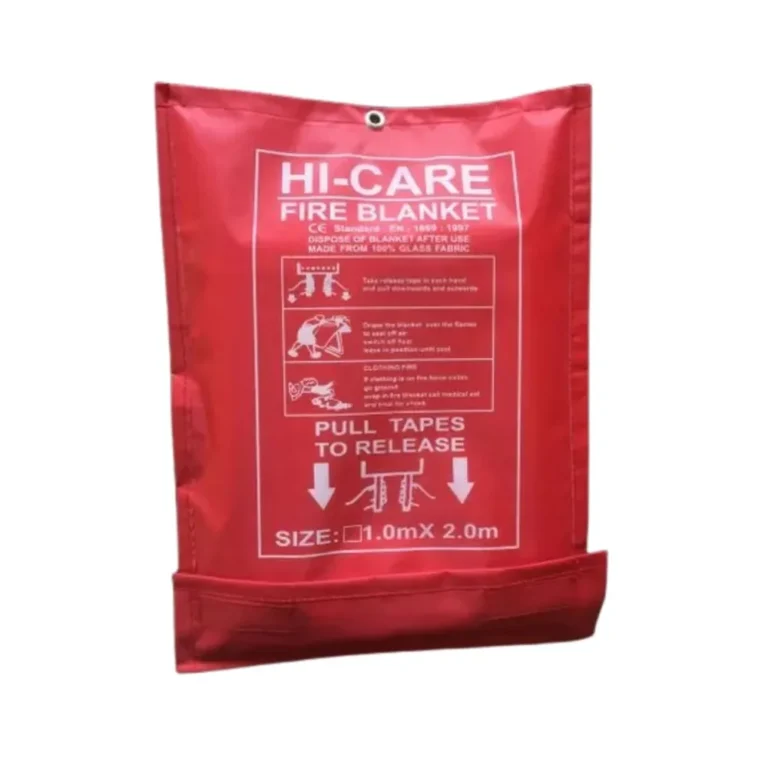
For larger factories, hydrant points and hose reels give trained staff a bigger flow of water. Keep hose boxes clear, unlocked and free of stored material. Check that hoses are dry and folded correctly and that every branch pipe is in its box. Spare parts for hydrants and extinguishers are listed under fire hydrant fittings. Fire buckets, fire blankets and sand are still useful backups in workshops and stores; see quick fire safety products.
Alarms, exits and escape routes
Fire alarm and detection
The fire alarm panel should show normal at the start of every shift. Any fault, isolated zone or disabled detector should be recorded and fixed quickly, with a named person responsible. Make sure detectors are not covered with plastic during painting or dusty work and left that way, and that manual call points are visible and reachable at every exit. Sounders must be audible in noisy production areas; add strobes where people wear ear protection. See fire alarm fittings.
Exits and signs
Every worker should be able to see an exit sign and reach a safe exit quickly from anywhere on the floor. Exit doors must open in the direction of travel where required, never be locked during working hours, and never be blocked by pallets or finished goods. Emergency lights should work during a power cut. Photoluminescent signs for exits, extinguishers and hose reels help in smoke; see safety signages.
Housekeeping, storage and hot work
Most factory fires start small, in waste, dust, oily rags or packaging near a heat source. Good housekeeping removes the fuel:
- Clear scrap, cartons and offcuts every shift, and keep waste bins away from machines and panels.
- Store oily rags in a closed metal waste can and empty it daily.
- Keep flammable liquids in safety cans and store the bulk in a flammable safety cabinet, away from exits. See flammable safety storage.
- Keep stacks well below sprinkler heads and lights, and keep marked aisles clear for people and fire fighting.
- Control dust build-up on beams, ducts and machines in dusty processes.
Hot work such as welding, cutting and grinding should run on a written permit. Clear or cover combustibles nearby, keep an extinguisher and a welding blanket at the spot, and post a fire watch during the job and for a period afterwards, as your site procedure sets.
Training, mock drills and the fire safety audit
Equipment helps only when people know how to use it. Every new worker and contractor should be told where the exits, extinguishers and assembly point are, and how to raise the alarm. A smaller group should be trained to use extinguishers and hose reels. Our fire safety training covers this hands-on, and named fire wardens for each shift and area can be trained through fire warden training.
Mock drills show whether the plan works in practice: how long evacuation takes, whether everyone hears the alarm and whether the head count is complete. Record the results and close the gaps you find. See fire mock drill.
Finally, an independent fire safety audit once a year, or after a major layout or process change, gives a fresh view of your systems, records and practices, and a clear list of corrective actions.
Indicative prices for common items
As a guide to items most factories keep in stock:
- ABC fire extinguisher by SafePro: from ₹756.00
- CO2 fire extinguisher by Safex: from ₹3,339.00
- Fire bucket stand with 4 buckets: from ₹890.00
- Flammable safety cabinet by Justrite: from ₹72,000.00
These prices are a guide before GST. The final price, based on quantity and delivery, comes with the quote.
Putting the checklist to work
Print the table, assign an owner for each line and keep the records together for your fire officer’s visits. If you need equipment to fill gaps found on your walk-round, or would like an audit, training or a drill at your plant, send us the details on WhatsApp or by email. We supply with a GST invoice and deliver across India.