Fire Extinguisher Price in India: What Drives the Cost and How to Buy
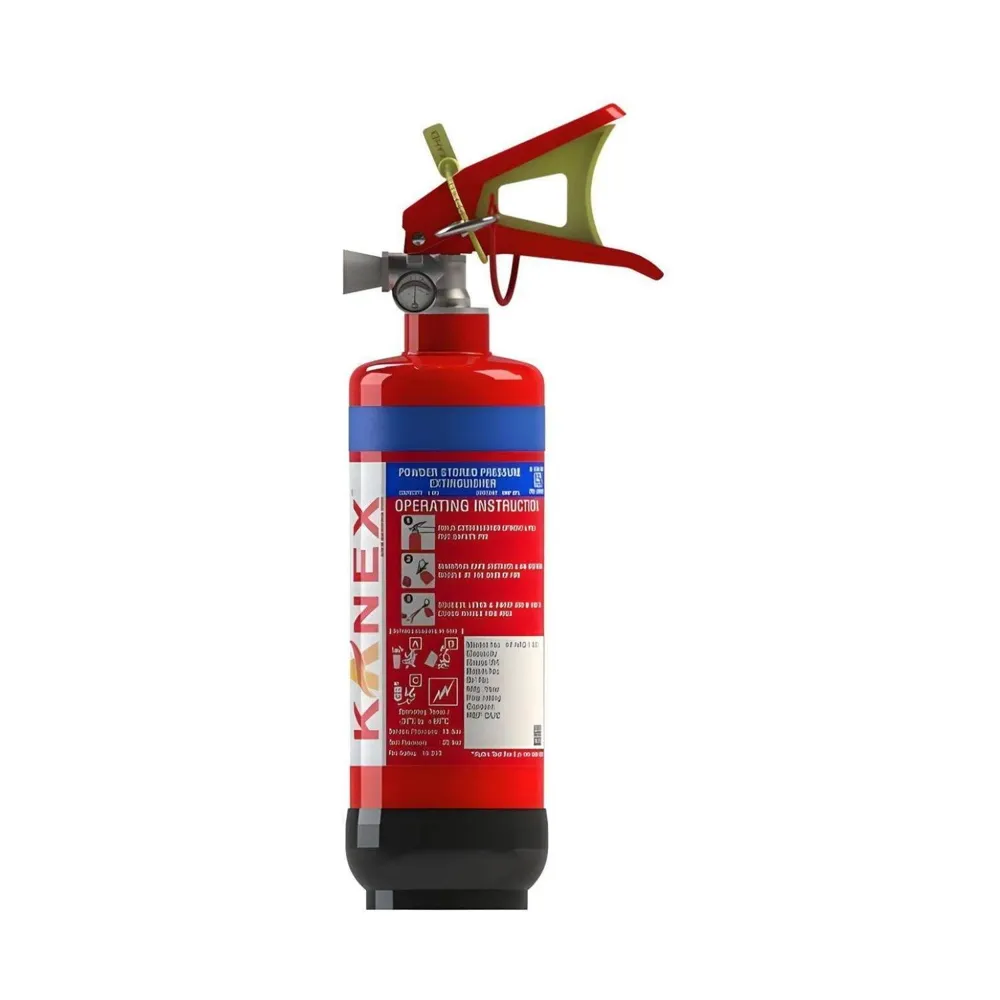
The fire extinguisher price in India depends mainly on five things: the type of agent, the size, the powder grade (for ABC units), the body and build, and the brand. A small ABC powder unit is usually the lowest-cost option, while CO2, clean agent and trolley units cost more. This guide explains each factor and shows live starting prices for typical products.
What decides fire extinguisher price in India
Two extinguishers that look alike on a shelf can be priced quite differently. The difference usually comes from what is inside the cylinder, how much of it there is, how the cylinder is made and who makes it. Knowing these factors helps you compare quotes on a like-for-like basis instead of looking only at the final figure.
When quotes arrive, line them up against the same points: the agent and fire classes, the agent weight or volume, the powder grade for ABC units, the body material, stored pressure or cartridge type, what fittings are included, and whether delivery is part of the price. A quote that looks low on one line may leave out an item that another quote includes, such as brackets, signs or freight. Writing these points in one simple table usually makes the real difference between quotes clear within a few minutes.
Type of extinguisher
The agent is the biggest single factor. ABC dry powder and water units are generally the lowest cost per kilogram or litre. Mechanical foam and wet chemical units sit in the middle. CO2 units cost more because the gas is stored at high pressure in a heavy, seamless cylinder. Clean agent units are usually the highest, because the agent itself is costly. Automatic modular units add the cost of the heat-sensing bulb and mounting.
The type should follow the fire risk, not the budget. Using a lower-cost type in the wrong area, for example powder in a server room, can lead to damage that costs far more than the extinguisher. You can see all types in the fire extinguishers section.
Size and capacity
Price rises with capacity, but not in a straight line. A 9 kg unit does not cost twice a 4 kg unit, because the valve, gauge, hose and labour cost about the same across sizes. That is why the per-kilogram cost of larger units is often lower. On the other hand, a unit that is too heavy for the people on that floor will not be used well, so choose a size that suits the users and the area.
Trolley units of 25 kg, 50 kg or more are priced as a separate class of product, since they include a wheeled frame, a longer hose and a larger cylinder. See the trolley type extinguishers.
Powder grade: MAP 90 vs MAP 50
ABC powder is based on mono ammonium phosphate, shortened to MAP. The number after MAP is the approximate share of mono ammonium phosphate in the powder. MAP 90 has a higher share than MAP 50, and generally gives more fire-fighting power for the same weight. It also costs more.
- MAP 90: higher active content, higher price. Often chosen for factories, warehouses and sites with higher fire loads.
- MAP 50: lower active content, lower price. Often used for general areas where the fire load is lower.
When you compare two ABC quotes, check the powder grade first. A low price on a MAP 50 unit is not the same as a low price on a MAP 90 unit of the same size. The ABC fire extinguisher pages list the grade for each option.
Body, build and brand
Most portable units have a mild steel body with a powder-coated finish. Stainless steel bodies cost more and are chosen for food plants, pharma units, coastal sites and other places where corrosion is a concern. CO2 units come in steel or aluminium cylinders; aluminium is lighter and usually costs more.
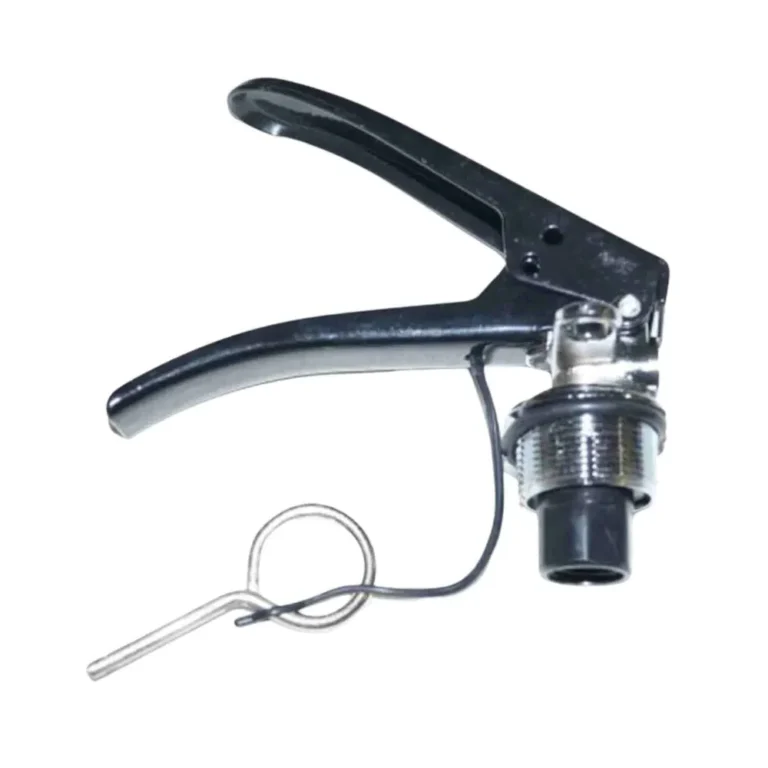
The way the unit is pressurised also matters. Stored pressure units keep the powder and propellant gas in one body with a gauge on top. Cartridge type units keep the gas in a separate cartridge that is punctured at the time of use; they can cost a little more and are used where units face rough handling. Fittings such as a brass valve or a longer hose add to the price as well.
Brand affects price through build quality, service network and the availability of spares. A known brand with easy spare parts can be cheaper to own over several years, even if the first price is higher.
Typical starting prices
The table shows the live starting price of a few typical products. The starting price is for the lowest-priced option of that product, which is usually the smallest size or basic variant.
| Product | Type | Starting from |
|---|---|---|
| SafePro ABC fire extinguisher | ABC powder, stored pressure | ₹756.00 |
| Kanex ABC fire extinguisher | ABC powder, MAP 90 and MAP 50 options | ₹2,190.00 |
| SafePro CO2 fire extinguisher | CO2 | ₹2,100.00 |
| Safex clean agent fire extinguisher | Clean agent | ₹5,670.00 |
| SafePro mechanical foam fire extinguisher | Foam | ₹870.00 |
| Kanex kitchen fire extinguisher | Wet chemical (K type) | ₹12,463.00 |
| SafePro modular ABC fire extinguisher | Automatic modular | ₹756.00 |
| SafePro ABC trolley fire extinguisher | ABC powder, wheeled | ₹5,670.00 |
These prices are a guide and are shown before GST. The final price depends on the exact size, grade, quantity and delivery location, and it comes with your quote. Every order is billed on a GST invoice.
Buying in bulk or for a project
For a new building, a plant expansion or a group of branches, the way you buy matters as much as the unit price. A few practical steps help:
- Make an area-wise list. Note each floor or zone, the main fire risk and the number of units your fire officer or consultant suggests. This avoids buying the wrong type in bulk.
- Fix the specification before asking for prices. State the type, size, powder grade, body and pressurising method, so every quote is for the same item.
- Include the fittings. Wall brackets, floor stands and sign boards are often forgotten and then bought later at a higher cost.
- Ask about delivery and lead time. Larger quantities and trolley units may need planned dispatch. Delivery is available across India.
- Plan for upkeep. Ask about refilling, spare parts and the expected life of the unit, so that the cost over several years is clear.
Where extinguishers are part of a larger job, such as hydrant or alarm work, it can be simpler to plan them together with the fire fighting system installation.
Getting a quote
To get a price for your site, send the list of types, sizes and quantities, along with the delivery city, to Drown Fire on WhatsApp or by email. If you are not sure what you need, a fire safety audit can give you a list to work from. The team will reply with options and a quote on a GST invoice.